Serving Our Final Duty: Understanding the Janazah Process
Caring for the deceased is one of the most solemn and honourable responsibilities entrusted to the Muslim community. It is a collective obligation (fard kifāyah) — if some members fulfil it, the burden is lifted from others, but if neglected, the entire community shares in the accountability.
At Balham Mosque & Tooting Islamic Centre, we are committed to equipping our community with both the knowledge and confidence to carry out this sacred duty in accordance with the Qur’an and the Sunnah of our beloved Prophet ﷺ.
Allah reminds us of the dignity of the human being:
“And We have certainly honoured the children of Adam…”
(Surah Al-Isra 17:70)
This honour extends beyond life and continues even after death. The preparation and burial of the deceased must therefore be performed with the utmost respect, modesty, and care.
Guidance from the Sunnah
The Prophet ﷺ emphasised both urgency and dignity in handling the deceased:
“Hasten with the funeral…”
(Sahih al-Bukhari, Sahih Muslim)
He ﷺ also personally guided the companions in the washing and shrouding of the deceased, teaching them step by step. In describing the washing of his daughter, he said:
“Wash her three times, or five times, or more if needed…”
(Sahih al-Bukhari)
This prophetic guidance forms the foundation of the Janazah process that Muslims continue to follow today.
The Janazah Process: Step by Step
Understanding the process helps demystify what can often feel overwhelming. The key stages include:
1. Preparing the Deceased
Immediately after death, the body is handled gently, with the awrah (modesty) carefully covered at all times. Respect and privacy are essential throughout.
2. Ghusl (Ritual Washing)
The body is ritually washed in a prescribed manner:
- Washing is done an odd number of times (typically 3, 5, or more if needed)
- Cleanliness is ensured while maintaining dignity
- Only trained and trusted individuals should perform this duty
The Prophet ﷺ instructed that the process be done with gentleness and care.
3. Shrouding (Kafan)
The deceased is wrapped in simple white cloth:
- For women, this traditionally consists of five pieces of shroud
- The body is perfumed and carefully wrapped
- There is no extravagance, as simplicity reflects equality before Allah
The Prophet ﷺ said:
“Wear white garments, for they are among your best clothes, and shroud your dead in them.”
(Sunan Abu Dawood)
4. Janazah Prayer
The community gathers to pray for the deceased — a powerful reminder of our shared return to Allah.
“Pray for your brother and ask that he be made steadfast, for he is now being questioned.”
(Sunan Abu Dawood)
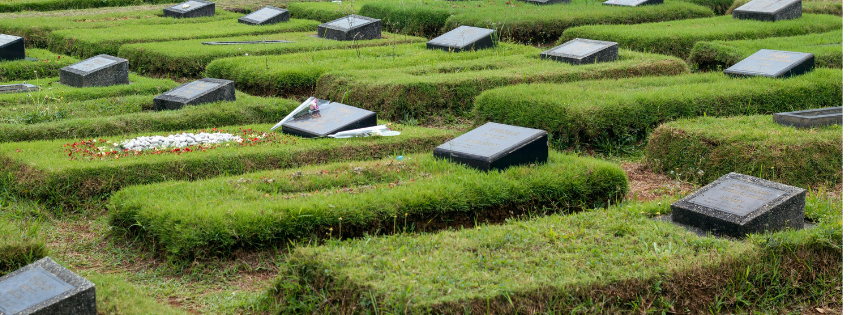
5. Burial
The body is placed in the grave facing the Qiblah, and supplications are made. This final act returns the body to the earth with humility and hope in Allah’s mercy.
A Community Responsibility
Many in our community feel unsure or unprepared when faced with death. This can lead to reliance on very few individuals to carry out these duties. However, the Sunnah encourages us all — men and women — to learn, participate, and support one another.
The Prophet ﷺ said:
“Whoever follows a funeral and prays over it will have one qirat (reward), and whoever follows it until burial will have two qirats.”
(Sahih al-Bukhari, Sahih Muslim)
Learning and Preparing Ourselves
Workshops and practical sessions, such as those hosted locally, provide invaluable opportunities to:
- Gain hands-on understanding of the Janazah process
- Overcome fear or uncertainty
- Ensure our practices align with authentic Islamic teachings
By learning these skills, we ensure that every member of our community can be honoured in death as they were honoured in life.
Final Reflection
Death is a certainty for every soul:
“Every soul shall taste death…”
(Surah Aal-Imran 3:185)
Preparing for it is not just about what happens to us — but also about how we serve others when their time comes.
Let us strive to be a community that upholds this duty with knowledge, compassion, and sincerity, seeking reward from Allah and preserving the dignity of those who return to Him.
For more information on upcoming workshops or how to get involved in Janazah services at Balham Mosque, bookmark this site to keep informed on forthcoming workshops.