
The Spiritual Power of the First 10 Days of Dhul Hijjah: A Sacred Window of Transformation
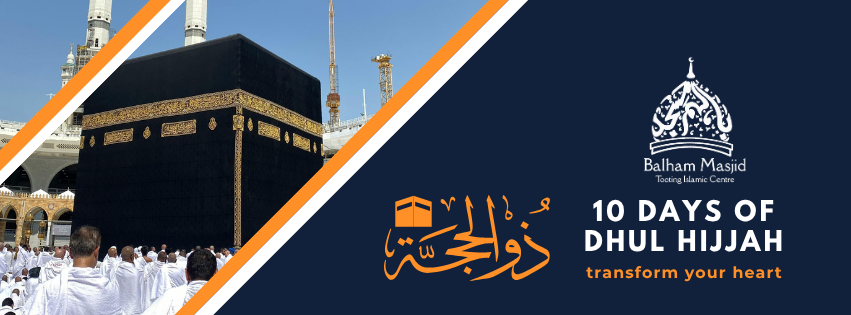
01 Dhul Hijjah: Monday 18th May
09 Dhul Hijjah (Day of Arafah): Tuesday 26thMay
10 Dhul Hijjah (Eid Ul Adha): Wednesday 27th May
As millions of pilgrims journey to Makkah for Hajj, Muslims around the world enter one of the most spiritually charged periods of the Islamic calendar: the first ten days of Dhul Hijjah. Often described as the most sacred days of the year, this period offers believers a unique opportunity for renewal, reflection, and closeness to God.
But what makes these ten days so profound—and how can they transform not just individual worship, but entire communities?
Why These Days Matter So Deeply
In Islamic tradition, the first ten days of Dhul Hijjah hold unparalleled significance. The Prophet Muhammad ﷺ is reported to have said:
“There are no days on which righteous deeds are more beloved to Allah than these ten days.”
This places Dhul Hijjah above even the last ten nights of Ramadan in terms of daytime worship, making it a rare and powerful window for spiritual growth.
Scholars explain that the greatness of these days lies in the convergence of major acts of worship:
- Prayer (Salah)
- Fasting (Sawm)
- Charity (Zakah/Sadaqah)
- Pilgrimage (Hajj)
No other time of the year combines all of these in such a concentrated period.
A Time for Personal Renewal
For many Muslims, Dhul Hijjah is less about ritual and more about resetting the heart.
At its core, this period invites deep introspection:
- What habits need to change?
- Which relationships need repairing?
- How strong is one's connection with faith?
In an age of constant distraction, these ten days offer a structured chance to step back, realign priorities, and reconnect with purpose.
The Global Spiritual Experience of Hajj
While only a fraction of Muslims perform Hajj each year, its impact is collective. The pilgrimage—one of the five pillars of Islam—unfolds during these days and symbolizes:
- Equality (all pilgrims dress simply)
- Unity (millions worship together)
- Submission (following the footsteps of Prophet Ibrahim)
Even for those not physically present, the rituals inspire a sense of belonging to a global faith community.
The Day of Arafah: A Peak Moment of Mercy
The ninth day of Dhul Hijjah, known as the Day of Arafah, is widely regarded as the spiritual climax.
Pilgrims stand on the plains of Arafah in prayer, while Muslims worldwide fast and engage in supplication. It is believed to be:
- A day when sins are forgiven
- A moment when prayers are especially accepted
- A chance for a complete spiritual reset
Many describe it as a “personal Day of Judgment rehearsal”—a time to stand before God in humility and hope.
Eid al-Adha: The Message of Sacrifice
The tenth day marks Eid al-Adha, a celebration rooted in the story of Prophet Ibrahim (Abraham) and his unwavering obedience to God.
The ritual sacrifice (Qurbani) represents:
- Letting go of attachment
- Prioritising faith over comfort
- Sharing blessings with others
Meat from the sacrifice is distributed to family, friends, and those in need, reinforcing the values of generosity and social responsibility.
A Rare Opportunity in a Fast-Paced World
In today’s modern, often overwhelming lifestyle, sacred moments can easily pass unnoticed. Yet, Dhul Hijjah stands as a reminder that transformation doesn’t always require drastic change—just intentional effort in a short span of time.
Even small acts can carry immense weight:
- A quiet prayer
- A sincere apology
- A small act of generosity
These days encourage believers to focus not on perfection, but on consistent sincerity.
Ten Days That Can Shape a Lifetime
As the days of Dhul Hijjah unfold each year, they offer more than religious observance—they present a blueprint for a meaningful life rooted in faith, gratitude, and purpose.
For those who embrace them fully, these ten days are not just a moment in time, but a turning point—one that can leave a lasting imprint on the soul long after the days have passed.